

Stylish and Modern Home Color Schemes: Contemporary Color Ideas for Every Space
- Jessica Barnes

- Jun 2
- 4 min read
Choosing the right color scheme for a home can transform its atmosphere, making it feel fresh, inviting, and stylish. For homeowners and property owners seeking a high-end finish with a smooth, guided process, understanding contemporary color ideas is essential. This guide offers practical advice on selecting and applying color schemes that elevate any space, whether it’s a coastal retreat, a historic home, or a busy family residence.
Embracing Contemporary Color Ideas for a Fresh Look
Contemporary color ideas focus on simplicity, balance, and subtle sophistication. These palettes often blend neutral tones with bold accents, creating spaces that feel both modern and timeless. When selecting colors, consider the natural light in each room, the existing furnishings, and the mood you want to evoke.
Some popular contemporary palettes include:
Soft neutrals with warm undertones: Creamy whites, beige, and taupe create a cozy yet elegant backdrop.
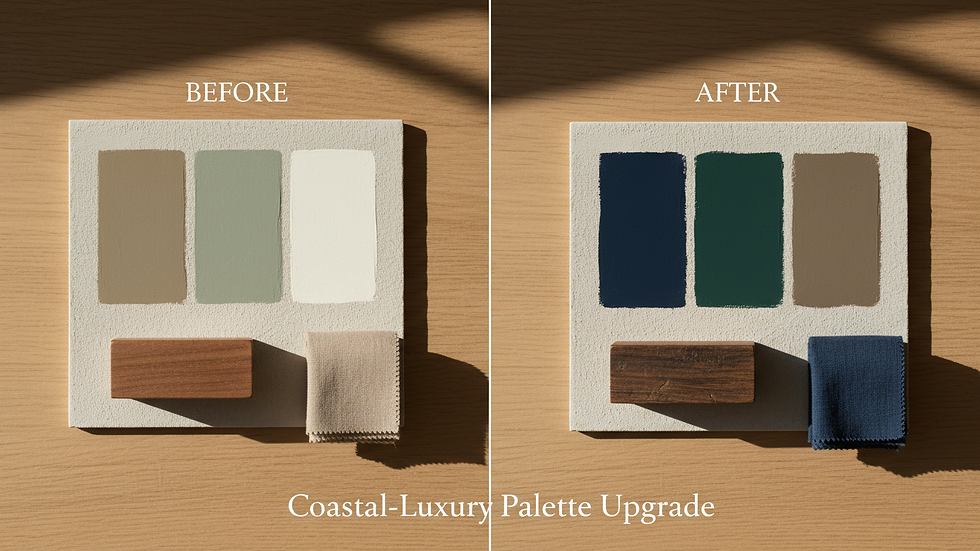
Muted blues and greens: These colors bring a calming, coastal vibe perfect for Sussex County homes near the shore.
Rich jewel tones: Deep emerald, sapphire, or amethyst add a luxurious touch when used as accent walls or in décor.
Monochromatic schemes: Different shades of the same color, such as varying grays or blues, offer depth without overwhelming the senses.
For example, a living room painted in a soft beige with navy blue accents in pillows and rugs can feel both inviting and sophisticated. Meanwhile, a kitchen with muted sage green cabinets paired with white walls and natural wood finishes creates a fresh, modern look that’s easy to maintain.

How to Choose the Right Color Scheme for Your Home
Selecting a color scheme involves more than just picking favorite colors. It requires understanding how colors interact with light, space, and each other. Here’s a straightforward process to help homeowners make confident choices:
Assess the space: Note the size, natural light, and existing architectural features. Smaller rooms benefit from lighter colors to feel more open, while larger spaces can handle darker, richer tones.
Consider the function: Bedrooms often call for calming colors like soft blues or greens, while kitchens and dining areas can handle more energetic hues like warm yellows or reds.
Test samples: Paint swatches on different walls and observe them at various times of day. Colors can look very different in morning light versus evening.
Coordinate with furnishings: Ensure the color scheme complements furniture, flooring, and décor. A cohesive look feels intentional and polished.
Plan for flow: Colors should transition smoothly from room to room, especially in open floor plans. Use complementary shades or neutral tones to connect spaces.
By following these steps, homeowners can avoid common pitfalls like choosing colors that clash or feel overwhelming. The goal is a harmonious, stylish home that reflects personal taste and enhances daily living.
What Color Is Replacing Gray?
Gray has been a dominant neutral in home design for years, prized for its versatility and modern appeal. However, trends are shifting toward warmer, more inviting neutrals that add softness and depth without sacrificing sophistication.
Warm greiges (a blend of gray and beige) are becoming popular as they combine the neutrality of gray with the warmth of beige. These tones work well in both traditional and contemporary settings, offering a cozy yet refined backdrop.
Additionally, soft taupes and creamy whites are gaining traction. These colors provide a clean, bright canvas that pairs beautifully with natural wood and metal accents, common in high-end finishes.
For those wanting a subtle departure from gray, muted greens and blues are excellent alternatives. They bring a touch of color while maintaining a calm, neutral feel. These shades are especially fitting for coastal homes or spaces aiming for a serene atmosphere.
Incorporating Accent Colors for Impact
While neutral bases create a timeless foundation, accent colors add personality and style. Accents can be introduced through walls, furniture, textiles, or décor items. Here are some tips for using accent colors effectively:
Choose one or two accent colors: Too many competing colors can feel chaotic. Stick to a limited palette for a cohesive look.
Use bold colors sparingly: A vibrant red or deep teal wall can become a stunning focal point without overwhelming the room.
Consider metallics: Gold, brass, or matte black fixtures and hardware add a touch of luxury and modernity.
Match accents to the season or mood: Swap out pillows, throws, or artwork to refresh the space without repainting.
For example, a neutral living room with soft gray walls can be enlivened with mustard yellow cushions and a navy blue rug. This combination feels modern and inviting, perfect for entertaining or relaxing.
Tips for a Smooth Painting and Color Refresh Process
Achieving a high-end finish requires more than just picking the right colors. Preparation, craftsmanship, and communication are key to a successful project. Here’s what to expect and how to prepare:
Detailed surface preparation: Proper sanding, priming, and patching ensure paint adheres well and looks flawless.
Clear communication: Discuss timelines, color choices, and any special requests upfront to avoid surprises.
Clean workspaces: Professional painters protect furniture and flooring, keeping the home tidy throughout the process.
Durable finishes: Choose paints with good coverage and durability, especially for high-traffic areas or rental properties.
Final walkthrough: Inspect the work together to ensure satisfaction and address any touch-ups promptly.
By partnering with experienced professionals, homeowners can enjoy a stress-free transformation that enhances their property’s value and appeal.
Refreshing a home’s color scheme is an exciting opportunity to express style and create a welcoming environment. Whether updating a coastal retreat, historic residence, or busy family home, these contemporary color ideas provide a solid foundation for success. For those seeking expert guidance and flawless execution, exploring modern home color schemes can inspire the perfect palette and process.


Comments